
As an Amazon Associate I earn from qualifying purchases. This article contains affiliate links that may earn a commission at no extra cost to you.
The 2004 Bombardier Outlander 400 is a 400cc class Rotax single-cylinder liquid-cooled utility quad, sold by BRP under the Bombardier badge just before the company rebranded the line as Can-Am. It uses a CVT with high, low, neutral, park, and reverse, plus selectable 2WD/4WD with a Visco-Lok front differential, and BRP marketed the 400 H.O. as the class leader in power for its day.
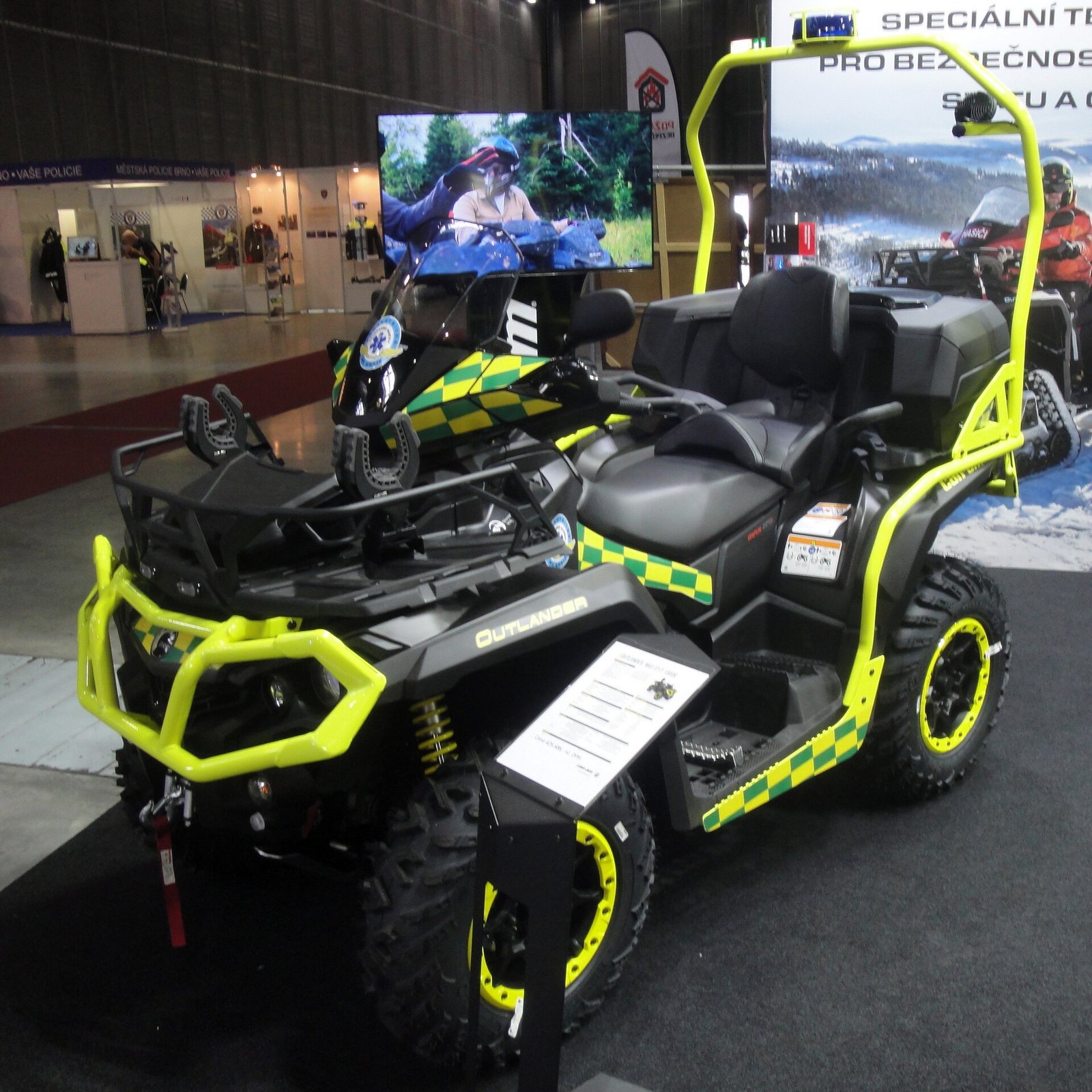
The engine itself is sturdy, but after two decades the machine collects a predictable set of faults. The ones owners report most are fuel starvation from a gummed carb, rotted fuel tank grommets and hard fuel lines, a charging system that drains the battery, hard starts that come down to spark, and a front end that clunks. Below I go through each in rough order of how often it shows up, with the cause and the fix.
Carburetor Fuel Starvation After Sitting
This is the number one failure on a 2004 Outlander 400 that has sat for a while. Ethanol fuel turns to varnish in the float bowl, the pilot jet and the little fuel screen clog, and the engine starves. On a Can-Am forum thread about a 2004 Outlander 400, one owner ran his machine dry, left it parked about six years, cleaned the carb, and still could not get it to catch.
The symptom tells you where to look. The quad pulls fuel and acts like it wants to fire, but it will not run on its own. On that same thread a member replies that if you have fuel at the carb, the needle is likely seized in the seat. That is the little valve that meters fuel into the float bowl, and varnish glues it shut. Another spot is the fuel screen inside the inlet port, which plugs with fine trash even when the inline filter looks clean.
To fix it, strip the carb down rather than soak it whole. Take out every jet, the needle and seat, and the fuel screen, clean each with carb cleaner and compressed air, then reassemble. If the quad still will not fire on starter fluid after a real cleaning, stop chasing fuel and check timing and spark, because that points at the ignition instead.
Gummed fuel is a theme across this whole family too, and it shows up in the Can-Am Outlander 450 problems list, so it is worth learning the drill once.
Sitting is the enemy. If you store the quad for months, run the fuel out or add a fuel stabilizer to the tank before it sits. That five minute habit saves you a full carb overhaul later, and it keeps the pilot jet from varnishing shut the way so many of these end up.
Rotted Fuel Tank Grommets and Hard Fuel Lines
The second most common issue is old rubber. In that same no-start thread, the owner said the machine needs new grommets for the fuel tank because the old ones had rotted away, along with new fuel lines and a fresh plug and cap. Two decades of ethanol and heat does this to the rubber on these quads, and nobody checks it until the quad dies on the trail.
What you see is a fuel smell, a weep of gas at the tank, or a surge that ends in a stall. A cracked grommet lets air into the pick-up line, the vacuum pulse pump loses its prime, and the engine stumbles. One owner on the same forum found the OEM lines breaking down on the inside, and that was where the trash in his fuel system kept coming from, so he replaced the pump and the lines front to back and only then got it clean.
If a fuel line feels hard as plastic when you squeeze it, it is done. Replace the grommets and lines with ethanol rated hose and add an inline filter. The hard lines cause more sputters and hard starts than you would think on a machine this age. It is a cheap job, and it heads off most of the fuel complaints on these 400s.
Charging System and Rectifier Draining the Battery
Bombardier and early Can-Am Outlanders of this era picked up a reputation for charging trouble. The regulator rectifier is hard on this platform, and a failing one can smoke, melt, overcharge, or leave the battery dead after a short ride.
On a Can-Am forum rectifier thread, an owner wrote that his rectifier started smoking and melted. Another member notes the single plug rectifier was a weak spot on the 400 and that the fix was to move to a two plug style. A melted rectifier or a battery that dies after two rides is the tell.
Check it with a multimeter. With the engine running, battery voltage should sit around 13.5 to 14.5 volts. Lower means the system is not charging, and higher means the rectifier is overcharging and cooking the battery. Replace the rectifier with the updated two wire unit and have a look at the stator output while you are in there. If you let it go, an overcharging rectifier can vent the battery past the point of recovery.
This same charging quirk shows up on the Yamaha Grizzly 700 problems machine, so it is a familiar old-ATV theme.
Hard Starting From Spark and Timing
Sometimes the failure is not fuel at all. The forum mechanic on that no-start thread makes it plain: if a 400 will not run on starter fluid, it is an electrical issue, so check the timing and the spark. On a twenty year old quad the plug cap alone is a regular culprit, since it cracks and corrodes, and the wire core can come loose inside the boot.
What you notice is a start that gets worse when the motor is hot, or a unit that pops on spray and dies. A hot no-start points at the coil or the pickup just as much as the plug. Pull the plug, ground the threaded body on the frame, and turn the starter over. You want a fat blue spark.
A thin yellow spark means the coil is breaking down, and the cap and boot are worth checking, since the owner thread shows people wrapping the bare wire end around the plug to get home.
Change the spark plug and the cap, and set the gap to the number in the service manual. If the spark still looks weak, move up to the coil and the trigger, and clean and grease the connectors, because this generation of Can-Am is fussy about a high resistance joint.
CVT Intake Boot and Belt Wear
Keep this one short. If you hear belt flutter or a drop in top speed on a hill, the CVT intake boot and cover gasket are worth a look, and the belt itself may be worn. A cracked engine cover lets belt dust and grit in, and that shortens belt life fast. Belt wear tends to creep up rather than fail all at once, so the first sign is usually a loss of speed or a rev that does not get you moving.
There is no one calendar interval that fits every 400, so I will put it in practical terms. If the machine racks up a lot of hours or you ride dusty trails, open the clutch cover once a season and look at the belt and the friction material. The belt rarely gives owners trouble until it has real mileage on it, but checking the intake boot for cracks while you are there costs nothing.
Belt and clutch care is a lot like what shows up on the Polaris Predator 500 problems list, since that machine leans on its own CVT too.
Front End Clunking and Brake Fade
Another common snag on the 400 is a clunk from the front end. There is a thread about exactly this on the Can-Am forum. What you feel is a clunk under power or over rough ground, and you can feel it right in the handlebars. One owner traced his to the front shock topping out at full extension, and a new shock fixed it. Another had perished shock seals and ordered new shocks. So the usual cause is the strut, not the steering parts.
On mine the front shock cartridge wore and let the strut top out over whoops, which is exactly the sound people describe.
Before you buy anything, check the front shock for a loose top stud, a blown seal, or a torn boot, and confirm the front drive shaft bolt inside the joint is tight. Then check the brake pads. On old 400s the inboard discs and pads wear, and the lever can go soft or fade after a hard ride. If you are looking at a used bike, a front end clunk is a strong negotiating point, figure the shocks into the price.
atv fuel stabilizer
A practical fix that most owners swear by. See today’s Amazon price.
What to Check Before Buying a Used 2004 Outlander 400
Buying a 2004 now means the machine has had years of life. Start with the fuel system and ask how it was stored. If the tank grommets are rotted and the lines feel like plastic, you are facing a carb and line service. Ask whether the rectifier is the newer two plug unit, and watch the battery voltage while the engine idles to confirm it charges.
Listen for a clunk from the front over rough ground, check the front diff fluid, and pull a brake pad to look at the pad. Then give the CVT belt a look if you can open the cover. On a 400 that did a lot of trail time, the old rubber and the belt are what will sneak up on you, so budget for lines, a filter, and maybe a belt when you price one.
Routine That Keeps a 400 Alive
None of this needs a dealer. Fresh engine oil and coolant every spring, a periodic look at the fuel lines and grommets, and a clean air filter keep these machines honest. Use a synthetic ATV oil on a quad that works hard, and drain the carb bowl if it will sit for a season. That is the whole of the maintenance game on a 400.
Bottom line: the 2004 Outlander 400 is a reliable little workhorse and the engine is the strong part of it. The problems sit around it, in the fuel system, the charging circuit, and the old rubber. A weekend of cleaning, new lines, and a good storage habit cures nearly all of it. If you can find one that did not sit dry for years, or you are comfortable with a carb and line service, it is a quad that will keep you riding for a long time.

