As an Amazon Associate I earn from qualifying purchases. This article contains affiliate links that may earn a commission at no extra cost to you.
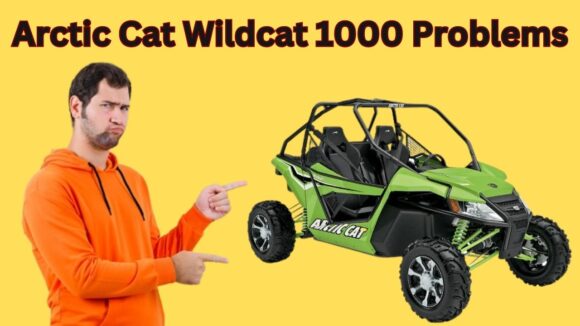
The Arctic Cat Wildcat 1000 is the sport side-by-side Arctic Cat built from the 2012 model year, powered by a 951cc V-twin with EFI and an automatic CVT.
It is fast, fun and tough, but owners on ArcticChat have documented the same handful of problems for years: starter gears that strip and wreck the motor, cooling fans that stop coming on, a 4WD actuator that refuses to engage, plus steering that drags as bushings wear out. This guide covers the problems real owners report, the root causes, plus the fixes that work. It ends with a checklist for anyone shopping for a used Wildcat 1000.
Starter gear failures that can wreck the motor
The worst failure mode on the Wildcat 1000 shows up at the starter. One owner on ArcticChat described hearing a grinding noise when starting, then finding the starter gear with teeth missing. The shop replaced the starter and the gear, and two days later the same grinding came back. The second time, the starter threw the reduction gear through the motor. The repair ran around $800 and took two months.
The replies pointed at the flywheel. If the ring gear on the flywheel is chewed up, a fresh starter keeps eating itself until the flywheel is replaced too. That matches the pattern in that thread: the first repair only fixed the starter, so the damaged flywheel destroyed the new parts in short order. The owner was headed back to the shop for the third time, still chasing the same noise.
The fix is simple to state and easy to skip: when a starter fails on a Wildcat 1000, do not just bolt on a new starter and gear. Inspect the flywheel ring gear for missing or damaged teeth before reassembly, and check the starter mounting for alignment issues. If the machine grinds on start, shut it down instead of cranking through it. One more grind can cost you a motor.
If you are buying used, ask whether the starter or flywheel has ever been replaced. A machine that already went through this repair once is usually fine, but one still on the original starter deserves a close listen on a cold start.
Cooling fans that stop coming on
A 2012 Wildcat 1000 owner posted the classic overheating story in an ArcticChat thread on the 1000 running hot: a coolant smell mid-ride, the radiator boiling over, plus the fans not running at all. Checking the fuses and relays found one bad relay. After replacing it, the left fan worked, but the right fan stayed dead. The owner had to pull the fan and bench test it to confirm the fan itself was fine.
The thread also documented how the fan staging works on this machine. The left fan comes on at 187 degrees, and the right fan joins at 197 degrees. A single relay failure leaves you running on one fan and climbing fast on hot trails, and the owner reported the coolant was boiling over before the problem was caught. The two-fan system check you hear at key-on is a quick way to spot the failure before it costs you a ride.
When a Wildcat runs hot, check both fan relays and fuses first, then test each fan motor directly. Clean the connectors and look for corrosion, since a bad ground shows up the same way as a dead relay. Owners also point everyone with electrical questions to the free service manual download on the Arctic Cat parts site, because the wiring diagrams live there.
Coolant level checks belong in the pre-ride routine, because a low system hides a fan failure until the gauge spikes.
4WD actuator that refuses to engage
The Wildcat 1000 uses an electric actuator to lock the front differential, and it is a common source of 4WD headaches. A 2014 Wildcat 1000X owner started a thread because the front diff actuator stopped working and they could not get to a dealer before a holiday weekend. The help that came back is the same advice that shows up in every one of these threads: check the fuses and relays first, then trace the actuator wiring.
Water in the connector plug is a known culprit, and so is a wire torn out during a ride. The actuator has a manual test procedure spelled out in the free service manual, which forum members pointed the owner to, along with wiring diagrams on the countrycat site. The whole diagnosis takes a few minutes and tells you whether the problem is a fuse, a wire, or the actuator itself.
Start at the fuse box, then unplug the actuator connector and check for water and corrosion. Verify the actuator moves when it gets power, and cycle the 4WD switch through 2WD and 4WD to confirm the dash light responds. The 4WD dash light is your friend here: if it does not come on when you hit the switch, the problem is usually upstream of the actuator, in the switch circuit or a fuse.
If the actuator is dead, the replacement part is straightforward to install. That beats paying a dealer to find a corroded plug.
Steering that drags and gets heavy
Power steering assist was standard equipment on the 2013 Wildcat 1000, and it works well when the rest of the steering system is healthy. The weak point is the steering bushings. A long-time owner of a 2013 Wildcat 1000 LE put it plainly in a thread about buying a used machine: the bushings wear out and the steering starts to drag. He said it happens to all of them, and he called it a point of negotiation on price, not a deal-breaker.
What it feels like: the wheel gets notchy and heavy at low speed, and you may notice play before the machine actually turns. It is easy to blame the power steering unit, but on these machines the drag usually comes from worn bushings in the steering column and tired tie rod ends, not the assist motor.
Get the front wheels off the ground and check for play in the tie rods and steering column bushings. Replace worn bushings and regrease the fittings, then re-check the alignment. If the drag is gone, the EPS unit is fine. You just saved yourself the cost of a steering module you never needed.
Oil leaks from the case halves
The same 2013 LE owner flagged oil leaks as the first thing to check on a used Wildcat. The case halves can weep because the sealant application was poor from the factory, and on his machine the leak showed up right at the case split line. It is common enough that owners mention it as a known spot rather than a freak failure.
Clean the area and run the machine to pinpoint where the oil is coming from before assuming a gasket is bad. If it is the case half seam, the honest fix is splitting the cases and resealing them properly, which is a shop job. Small weeps can be monitored, but a steady drip should not be ignored, because oil that finds its way onto a hot exhaust or into the belt housing turns into a bigger problem.
Oil getting into the belt housing is a real failure mode on Arctic Cat CVT machines. Owners of the Prowler 700 XTX documented oil in the belt housing ruining belts within minutes of riding, so when you check for leaks, look at the belt area too.
Belt and clutch behavior on the CVT
The Wildcat 1000 uses an automatic CVT with high and low range, reverse and park. Arctic Cat switched clutch suppliers partway through the 2013 model year, moving to Team clutches. Owners note the change was about performance rather than fixing a failure. What has not changed is the advice that follows every belt question on the forum: run the stock belt.
Owners have posted about lurching and jerky engagement at low speeds, which is usually the clutch or belt working through wear rather than a broken part. A worn belt slips under load, and a glazed clutch face grabs and releases unevenly. The fix is inspection first: pull the cover, check the belt for cracking and glazing, then clean the clutch faces.
Replace the belt with the OEM belt (not an aftermarket alternative) and keep the clutch area clean and dry. Water crossings are hard on these clutches, so if the machine has been dunked, dry the housing out before the next ride. A belt that dies on the trail means walking out, and a spare stock belt is cheap insurance.
Idle and throttle quirks
A few threads on ArcticChat cover running issues that do not add up to a single broken part: high idle that will not settle, an accelerator pedal that sticks, plus odd injector behavior. One owner of a 2013 Wildcat 1000 also warned about dust getting into the throttle body through a poorly welded plastic intake area on some machines, so checking inside the throttle body is part of the used inspection.
A sticking accelerator is a safety issue, and it usually comes down to a dirty throttle body bore, a cable that needs lubrication, or debris under the pedal. Carbon buildup on the throttle plate is the usual suspect, and a can of cleaner plus ten minutes of work fixes most cases. High idle points to the idle control path or a vacuum leak.
Injector complaints are rarer, and the forum advice is to test the electrical side before replacing parts, since an intermittent connection fakes a dead injector.
Pull the intake boot and look inside the throttle body for dust and carbon, clean the bore with throttle body cleaner, then check the pedal and cable for binding. If the idle stays high, look for vacuum leaks around the intake boots. None of this is hard, but all of it is easier to do on a bench than on the trail.
What to check before buying a used Wildcat 1000
The Wildcat 1000 is a good used buy if you know where to look. Owners agree 2012 was the first model year, and the clutch setup changed partway through 2013, so a late-build 2013 machine has the newer Team clutching. A 2013 LE owner who bought used laid out his checklist: check the case halves for oil leaks, look inside the throttle body for dust, then test the steering for drag. His example had under 500 miles, and the list still applied.
He also recommended upgrading the stock 10mm wheel studs to 12mm studs, a common failure point once bigger tires get mounted. Plan on running the stock belt only. Test the 4WD actuator and both cooling fans on a cold start, since those are the two electrical failures owners hit most. Then check the flywheel ring gear if the starter shows any sign of wear.
Ask the seller when the belt was last replaced and whether both fans cycle at key-on. The answers tell you how the machine was treated. Set aside money for steering bushings and a starter inspection if the machine has real hours. If you want the utility version of the same era instead of a sport machine, the Prowler 1000 has its own documented issues.
Our Polaris Ranger years to avoid breakdown covers a very different kind of side-by-side, and the single-cylinder Prowler 650 is another Arctic Cat with its own set of problems if you are comparing the whole lineup.
Maintenance that keeps a Wildcat 1000 alive
Most Wildcat 1000 failures are preventable with basic checks. The fan system is the one to stay ahead of: confirm both fans run at key-on, and remember the left fan triggers at 187 degrees with the right fan joining at 197, so any change in that pattern means a relay or fan is failing. Keep the connectors clean and dry, and clean grounds count.
For the drivetrain, inspect the belt every season and replace it with the stock belt before it wears thin. Keep the clutch area free of oil and water, and check the throttle body for dust at the same time you do the air filter. Follow the manual for oil changes and gear case service, and torque the wheel studs regularly, especially if the previous owner upsized the tires.
A torque wrench on the lug nuts catches stud problems before they leave you stranded, and a spare belt in the under-seat storage is the cheapest recovery gear you can carry.
The service manual is free to download from the Arctic Cat parts site, and the wiring diagrams are in it, which is where the forum members send everyone with an electrical question. An hour of checks twice a year covers most of what actually breaks on these machines.
Bottom line. The Arctic Cat Wildcat 1000 is a fast and capable sport machine, and its problem list is short and well documented. The failures that actually bite owners are the starter gear train, the cooling fan relays, and the 4WD actuator, plus steering bushing wear. All four are fixable in a garage. Check those areas on any used example before you buy. The engine itself is tough and the suspension is excellent.
With the fans and belt looked after, a Wildcat 1000 will take years of hard trail time. Other machines in the class have their own quirks, and the Honda Pioneer 700 and Kawasaki Mule 3010 posts cover two of them.
If you’re ordering supplies, CVT belt and synthetic ATV oil are the items owners reach for first when they start working on these machines.