
As an Amazon Associate I earn from qualifying purchases. This article contains affiliate links that may earn a commission at no extra cost to you.
If a Bombardier (early Can-Am) Outlander 330 is on your radar, know this up front: it’s a liquid-cooled, 325cc Rotax single-cylinder with a carburetor, not fuel injection. Owners in ATV forums report the same handful of faults on this generation, mostly no spark, hard cold starts, CVT driveline complaints, and a weak charging system as the machine ages.
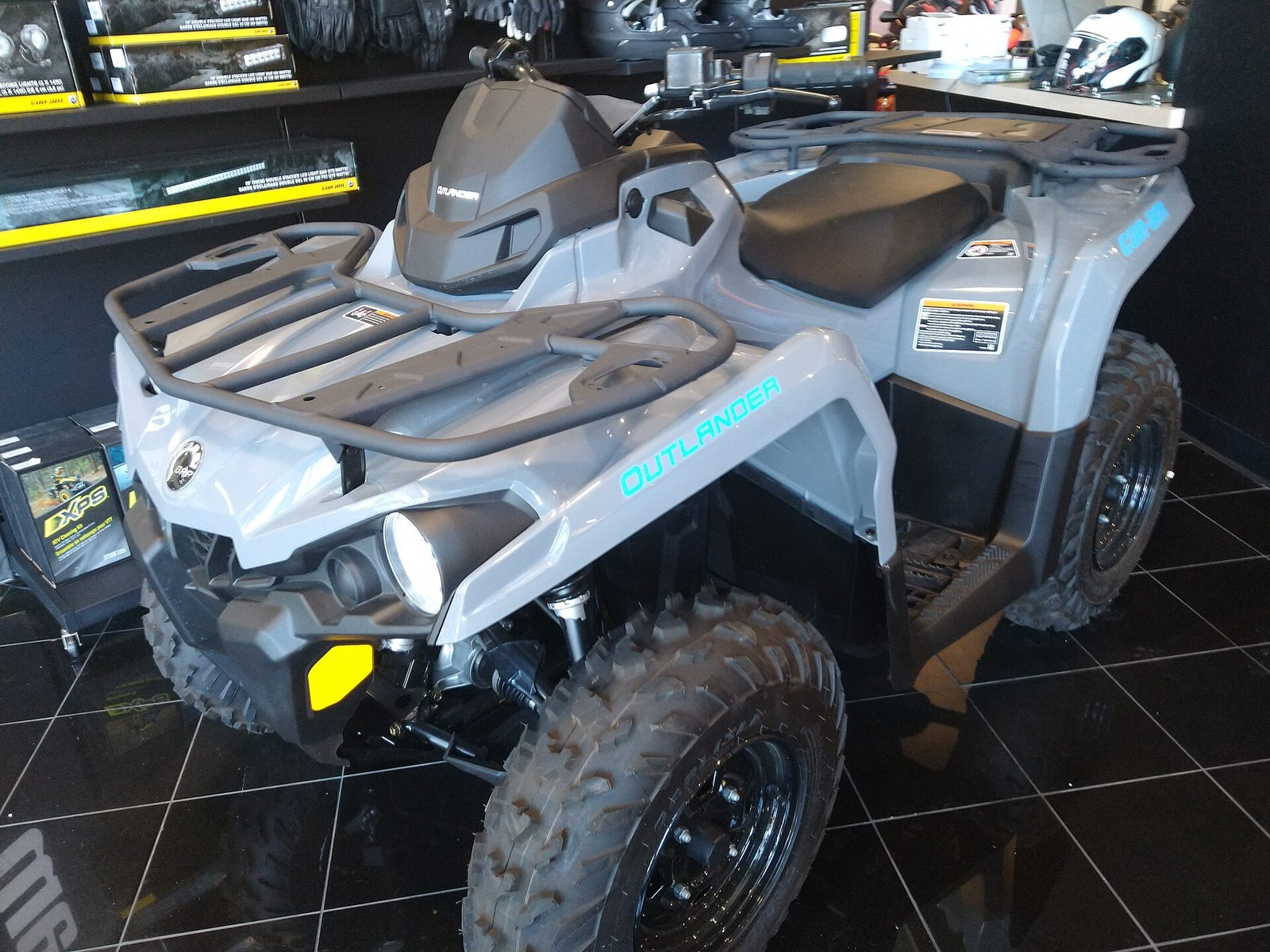
This guide walks through those problems in rough order of how often they show up, what actually causes them, and the practical fixes, then ends with a short checklist for buying one used.
Know the Machine Before You Trust It
The Outlander 330 H.O. is the baby of the Outlander family that arrived for the 2003 model year. Bombardier built it around the same Rotax platform as the bigger 400, just with less displacement, and it shows. A first-ride review from ATV Connection’s own editor calls it a winner for Bombardier and notes the little 330 kept pace with larger machines in their drag test, which tells you the CVT clutching is set up well from the factory.
What matters for this article is the specification sheet, because it explains most of the common faults. The engine is a 325cc Rotax, single cylinder, single overhead cam, four valve, liquid cooled, fed by a Mikuni BSR33 carburetor. Power goes through a continuously variable transmission with a dual range (high and low) plus park, neutral, and reverse, and the 4×4 version lets you select 2WD or 4WD on the fly. Dry weight lands near 550 pounds.
Suspension is independent front and rear with Bombardier’s torsion-tied trailing arms (TTI) in back and the one-piece SST frame underneath.
Nothing about that layout is exotic, but it’s old enough that rubber, seals, and electrical contacts are what fail these days. Keep the basic spec in your head and the problems below make a lot more sense.
No Spark and Hard Starts From the Ignition System
The single most common complaint you’ll see from Outlander 330 owners is an engine that cranks but won’t fire, or that starts fine cold then dies when it warms up. On a carbureted Rotax single from this era, the usual suspects are the pickup coil (stator trigger), the CDI box, or a corroded connector in the harness rather than the spark plug itself. Moisture sneaks into the plugs where the stator and CDI wiring meet.
Before you throw parts at it, check the simple stuff first. Confirm you’re actually getting spark by grounding the plug against the frame while you crank. If spark is weak or absent, measure the pickup and source coils on the stator with an ohmmeter against the service values in your manual.
Clean every multi-pin connector with contact cleaner and dielectric grease, because green corrosion on those pins is a frequent cause of intermittent no-fire. Newer reproduction stators and CDI boxes are cheap and widely available, so replacing them is a realistic fix that owners do.
If spark is fine but the bike still won’t hold an idle cold, that points at the fuel side, which is the next problem.
Hard Cold Starts From the Mikuni Carb
This generation is carbureted, so all the fuel system headaches that come with an old carb apply. The original AI slop version of this article claimed the 330 could have clogged fuel injectors and an air filter that needs changing every 30,000 miles, neither of which makes sense on a 2004-machine. There are no injectors. There’s a Mikuni BSR33 carburetor with a manual choke and a fuel pump, and that’s what needs attention.
Owners chasing hard cold starts usually find the pilot jet is gummed up from ethanol-laden gas sitting over winter, or the float bowl needle is sticking. Drain the float bowl, pull the pilot jet and clean it with carb cleaner and compressed air, and make sure the choke cable is opening the enrichment circuit fully.
Old ethanol fuel separates and leaves a varnish that no amount of running will clear, so if the pilot passage is clogged you have to actually clean it. A steady tick-over once warm usually means the carb is fine and you were looking at jetting or a worn slide seal.
While you’re in there, replace the inline fuel filter and check the vacuum-operated fuel pump diaphragm, both cheap items that cause stumble and dies under load when they start to fail.
Charging System and Battery Drain
A weak or dead battery is another frequent owner report, and on older Outlanders the magneto stator’s charging coils plus a tired regulator rectifier are the classic culprits. You’ll notice dim headlights at idle, a battery that won’t hold a charge after a few days of sitting, or a stale crank that suddenly fires when you jump it.
Test the battery first with a load, since a neglected lead-acid battery from the 2000s is often just old. Check the voltage across the terminals while running; you want roughly 13.5 to 14.5 volts at mid throttle. If charging voltage is low, the stator stator output and the regulator rectifier are the next things to test with the ohmmeter and a multimeter. The rectifier is a known wear item on BRP singles and a replacement is inexpensive.
On any 330 I’d plan on a tender whenever it sits for more than a couple of weeks, because even a healthy system drains slowly through the connections this age.
CVT Belt Wear and Take-Off Response
Because the 330 relies on its CVT to make its power usable, the belt and clutch are on the short list of owner gripes. Symptoms are a flat spot on takeoff, belt chirping under load, worse low-end snatch, or a machine that revs up and only then starts to move. The primary and secondary clutch faces wear, and the belt stretches with age.
A machine that’s been ridden hard with a worn belt will occasionally fail to grab until you rev it, which masquerades as an engine problem.
The fix starts with inspection: pull the cover and check the belt for glazing, cracks, or width that’s under spec, and look at the clutch sheaves for a dark polished wear ring. A fresh belt from a reputable source restores most of the lost response.
On the 330 specifically, the factory tuned the primary clutch engagement for the smaller engine, so resist the urge to swap in a performance clutch until you’ve ruled out a plain worn belt, which is far more common.
2WD and 4WD Engagement Fussiness
On the 4×4 models, owners report the front drive dragging or the dash light staying lit when it shouldn’t, or 4WD refusing to engage when you need it. The Outlander’s Visco-Lok and its mechanical shift actuator live a dirty life, and old linkage and cabling wear. A sticky front diff actuator is usually the cause rather than a broken differential.
Check the shift cable adjustment first and lube the linkage pivot points. If 4WD engages slowly or pops out, inspect the vacuum or electrical actuator that moves the front diff, plus the o-ring seals on the gearbox, since dried seals let moisture in. Keep the front diff fluid fresh too.
On used machines, spend the few minutes to exercise the 4WD through several cycles when it’s new to you, so you learn what normal engagement feels like before a trail failure.
Oil Weeps From Gaskets and the Output Seals
Engine oil leaks are the classic old-BRP complaint, and on the 330 they show up as weeping from the valve cover gasket, the output shaft seal, and sometimes the base gasket where the cylinder meets the case. These are mild seeps more often than gushers, but they leave oil on the skidplate and can dirty the clutch area if the output seal fails.
Replacing a valve cover or base gasket is a weekend job with basic hand tools and a torque wrench. The output shaft seal at the transmission end is awkward to reach but a known wear item; owners swap it along with the bearing while they’re in there. Watch the crankcase breather too, because a blocked breather pressurizes the case and pushes oil past seals that are otherwise fine.
If you keep an eye on oil color and top up with the recommended synthetic ATV oil, minor weeps aren’t a near-term kill.
Steering Play and Tie-Rod Wear on High-Mile Units
On higher-mileage Outlanders, owners report a loose or clunky front end, usually traced to worn tie-rod ends and ball joints more than the steering shaft itself. Over time the front-end component bushings hammer out, and the machine starts wandering over ruts and knocking on rough ground.
Jack the front up and grab each tire at nine and three o’clock; play there points at tie rods or ball joints. Worn tie-rod ends are cheap and swappable in an afternoon with locknut torque specs from your manual. It tightens the front end noticeably and removes a lot of the clatter. If the actual steering shaft has slop and the ball joints check out, get the manual before you pull it apart, because the geometry matters more than you’d think.
It’s the same class of wear you’ll find if you look at how the Can-Am Outlander 450 ages for its own set of recurring issues.
Cooling and Overheat Checks
The 330 is liquid cooled with a front-mounted radiator that sits conveniently under the hood, which the ATV Connection review highlights as a service plus. Owners still run into two problems: a tired cooling fan or thermostat that lets it run hot on slow trails, and a clogged radiator core packed with mud and grass from bush riding.
Pop the hood and check the coolant level, then watch the fan kick on as the engine warms, since the fan switch and wiring are known trouble after years of dust. Blast the radiator fins out from behind with a garden hose to clear debris. Overheating is never a mystery if you address airflow and coolant before it gets a chance to warp a head gasket, which is the expensive version of this problem.
Maintenance That Keeps an Old 330 Happy
Regular service is what separates a tired 330 from a dependable one. Change the engine oil and filter on the factory interval, and use a quality synthetic ATV oil since the high-rpm Rotax single runs warm. Clean the Mikuni carb pilot circuit each spring if the machine sits over winter, and always run fresh gas with a fuel stabilizer.
Check the air filter and clean it several times a season if you ride in dust or mud, rather than trying to stretch it for thousands of miles.
Keep the battery on a maintainer between rides, inspect the CVT belt when you service the clutch, and grease the tie-rod ends and front bushings. None of this is exotic, but the 330 punishes neglect more than redline, because its weak points are exactly the components that wear first. A little routine attention now stops most of the problems above from ever appearing.
atv carburetor rebuild kit
Most 330 hard-start issues trace to the Mikuni carb. Rebuild kit sorts it cheaply.
What to Check Before Buying a Used Outlander 330
If you’re shopping for one used, the good news is the 330 was a well-liked machine, and the common faults are fixable and cheap. The bad news is a neglected example can nickel and dime you. Bring a flashlight and check the obvious spots before you hand over cash.
Start with a cold start from a totally cold motor; a cold-start stumble hints at carb jetting or choke issues. Watch it idle warm and see if it dies. Test the charging voltage at the battery at mid throttle to rule out the stator or regulator. Listen for belt slap or a worn clutch, and exercise the 2WD and 4WD selector several times.
Look under it for oil weeping from the output seal and valve cover, and check the front end for tie-rod play after a quick test ride. Finally, price in a tune-up bundle: fresh synthetic ATV oil, a new spark plug, a carb cleaning, and a battery maintainer if you’re not riding weekly.
That sort of planned service is a small investment compared with a surprise driveline repair after the deal is done.
Bottom line
The Bombardier Outlander 330 is honest, simple hardware that earns its keep, and none of its usual problems are deal breakers once you know what to look for. The carb, the stator and charging bits, the CVT belt, and the seals are all old-machine wear items with cheap fixes.
Look for a unit that starts clean and charges properly, then budget for a tune-up and a battery tender, and it’ll give you dependable trail miles for years, the same way the Polaris Predator 500 and the Yamaha Grizzly 700 reward the owners who maintain them.

